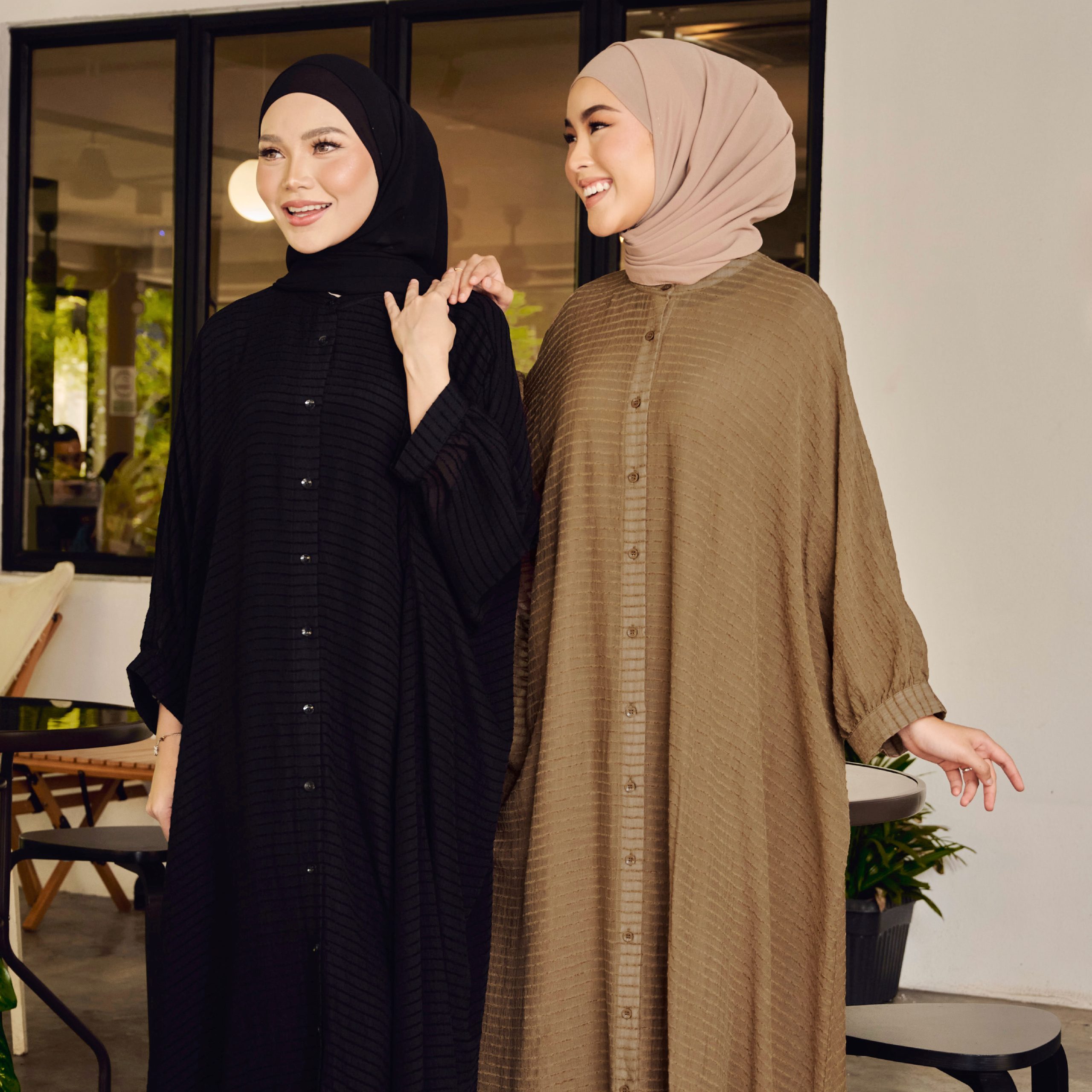
Malaysia, a melting pot of cultures, boasts a rich tapestry of traditions that significantly influence its fashion landscape. Among the key elements of Malaysian fashion is the blouse—a versatile garment that has evolved over time, blending traditional textiles and designs with contemporary styles. This article explores how Malaysia’s cultural heritage shapes modern blouse designs, highlighting the significance of traditional textiles and the innovative ways they are integrated into today’s fashion.
The Significance of Traditional Textiles in Malaysia
Malaysia’s traditional textiles are deeply rooted in its diverse cultural heritage, reflecting the influences of various ethnic groups, including the Malays, Chinese, and Indians. Each community has its own textile techniques and patterns, contributing to a vibrant textile industry.
Batik
Batik is perhaps the most iconic textile in Malaysia, recognized for its intricate designs created through a wax-resist dyeing technique. Originating from Java, Indonesia, batik has been embraced and adapted by Malaysian artisans, resulting in distinctive motifs that often depict flora and fauna, geometric shapes, or cultural symbols. The use of batik in blouses not only adds a unique aesthetic but also connects wearers to their cultural roots.
Songket
Another significant traditional textile is songket, a hand-woven fabric often made with silk or cotton and intricately embroidered with gold or silver threads. This luxurious textile is typically used for formal attire and ceremonial occasions. Blouses made from songket are often worn during weddings and festivals, showcasing the rich craftsmanship and cultural significance of the fabric.
Kain Pahang and Kain Samping
Kain Pahang and Kain Samping are traditional fabrics that are often used in conjunction with modern blouse designs. Kain Pahang is known for its vibrant colors and patterns, while Kain Samping is a ceremonial cloth worn over the sarong. These textiles are increasingly being incorporated into modern blouses, allowing designers to create unique pieces that celebrate Malaysian heritage.
The Evolution of Blouse Designs in Malaysia
The evolution of blouse designs in Malaysia reflects the dynamic interplay between traditional and contemporary influences. Modern blouses are not only functional but also serve as a canvas for cultural expression.
Fusion of Styles
Contemporary Malaysian blouses often fuse traditional elements with modern silhouettes. Designers are taking classic cuts, such as the baju kurung—a traditional Malay blouse-and-skirt combination—and reinterpreting it with trendy features like asymmetrical hems, crop tops, and off-shoulder designs. This fusion allows for a fresh take on traditional garments while maintaining a connection to cultural heritage.
Emphasis on Craftsmanship
Modern blouse designs frequently highlight the craftsmanship of traditional textiles. Techniques such as hand-dyeing, embroidery, and weaving are celebrated, giving a contemporary blouse a unique and artisanal quality. Designers often collaborate with local artisans to preserve these skills, ensuring that traditional craftsmanship continues to thrive in the modern fashion scene.
Print and Pattern Integration
The integration of traditional prints and patterns into modern blouse designs is a hallmark of contemporary Malaysian fashion. Batik prints, for example, are often used in casual blouses, making them accessible to a broader audience. Similarly, songket patterns are incorporated into evening wear blouses, allowing wearers to showcase their cultural heritage in a stylish manner.
Influential Designers Shaping Modern Blouse Trends
Several Malaysian designers are at the forefront of blending traditional textiles with modern blouse designs, each contributing to the narrative of cultural heritage in fashion.
Rizman Ruzaini
Rizman Ruzaini is known for his elegant designs that often incorporate batik and songket. His collections feature modern silhouettes that celebrate Malaysian culture, making his blouses popular for both everyday wear and formal occasions.
Zalora’s Collaboration with Local Artisans
Zalora, a prominent online fashion retailer, has collaborated with local artisans to create collections that emphasize traditional textiles. Their blouses often feature vibrant batik prints and intricate embroideries, appealing to a younger audience while honoring cultural heritage.
Hatta Dolmat
Hatta Dolmat’s designs are characterized by their luxurious fabrics and contemporary aesthetics. He frequently incorporates traditional Malaysian textiles into his collections, creating stunning blouses that reflect both modern trends and cultural significance.
The Role of Fashion Events in Promoting Cultural Heritage
Fashion events in Malaysia, such as Kuala Lumpur Fashion Week and the Malaysia Fashion Week, play a crucial role in promoting the integration of traditional textiles into modern designs. These platforms provide designers with the opportunity to showcase their work, emphasizing the importance of cultural heritage in contemporary fashion.
Showcasing Talent
These events often feature collections that highlight the fusion of traditional and modern styles, allowing designers to present their innovative takes on blouses. This exposure helps to raise awareness of Malaysia’s rich textile heritage and encourages the next generation of designers to explore these influences.
Cultural Celebrations
Fashion events also serve as cultural celebrations, showcasing the diversity of Malaysian heritage through various designs. Traditional music, dance, and performances often accompany these events, creating an immersive experience that connects fashion with cultural identity.
The Future of Blouse Designs in Malaysia
As the demand for culturally inspired fashion continues to grow, the future of blouse designs in Malaysia looks promising. Here are some trends to watch for:
Sustainability and Ethical Fashion
With a growing awareness of environmental issues, many designers are focusing on sustainable practices. This includes using eco-friendly materials, promoting fair labor practices, and reducing waste. Incorporating traditional textiles into sustainable designs will likely become a significant trend in the coming years.
Technological Innovations
Advancements in technology are allowing for new ways to produce and design textiles. Digital printing techniques can replicate traditional patterns with greater efficiency, making it easier for designers to integrate cultural motifs into modern blouses.
Global Influence
As Malaysian fashion gains international recognition, there will be an opportunity for designers to share their cultural heritage with a global audience. This exchange of ideas can lead to exciting collaborations and innovations that further enrich the blouse design landscape.
Conclusion
The blouse in Malaysia serves as a powerful symbol of cultural heritage, reflecting the country’s diverse influences and rich textile traditions. By blending traditional designs with modern aesthetics, Malaysian designers are creating unique garments that celebrate cultural identity while appealing to contemporary tastes. You can find women blouse online store in Malaysia, that pride their self on offering stylish options for every body type.
As the fashion industry evolves, the importance of preserving and promoting cultural heritage will remain essential, ensuring that the blouse continues to tell the story of Malaysia’s vibrant history and dynamic future. Embracing this fusion of past and present, Malaysian blouses will undoubtedly thrive as a testament to the country’s rich cultural legacy.